Date: Mar 01, 2026
Introduction
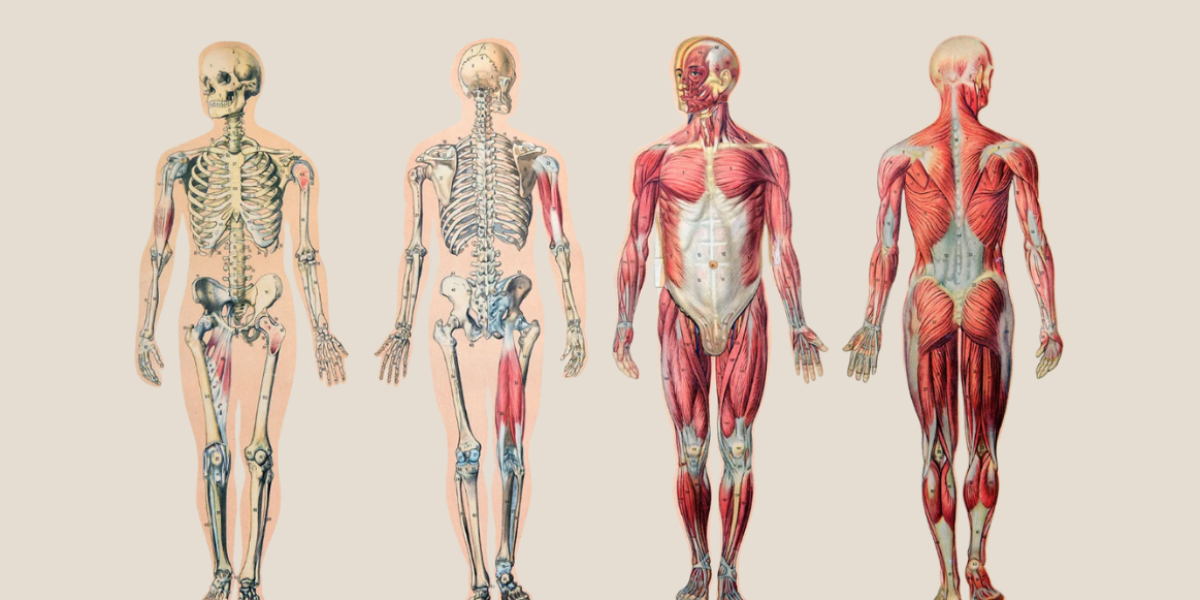
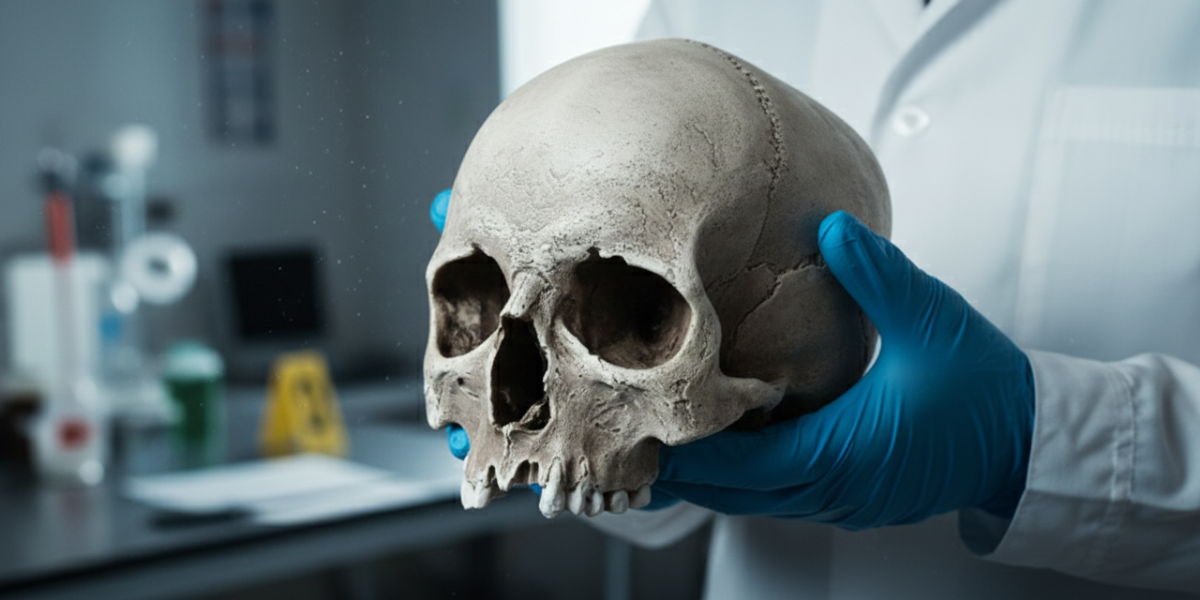
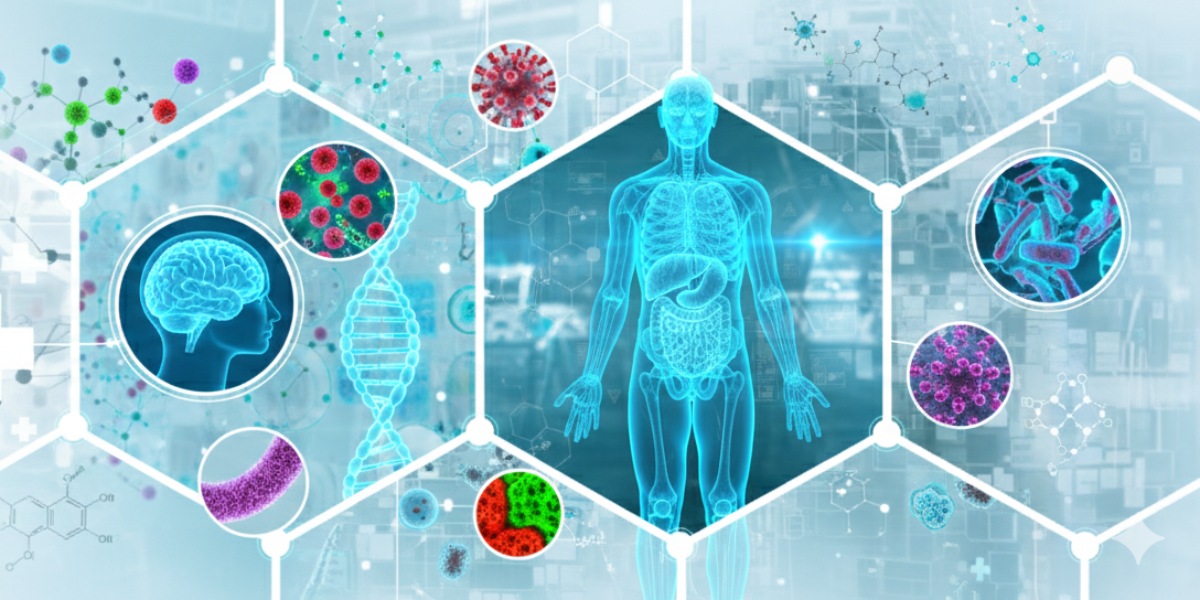
The Department of Anatomy serves as the cornerstone of medical education, providing students with a deep understanding of the human body’s structure and organization. Anatomy is one of the first and most important subjects taught in MBBS programs, laying the groundwork for all future clinical knowledge.
Without a strong grasp of anatomical principles, it becomes difficult for medical students to understand disease processes, perform clinical examinations, or carry out medical procedures effectively.
Anatomy forms the basis of all medical sciences. It helps students understand the location, structure, and relationship between different organs and systems of the body. This foundational knowledge is essential for studying advanced subjects such as surgery, radiology, and pathology.
Medical students who develop a solid understanding of anatomy early in their education are better prepared to interpret medical images, diagnose conditions, and make informed clinical decisions. Anatomy also enhances spatial awareness, which is crucial when performing physical examinations or surgical procedures.
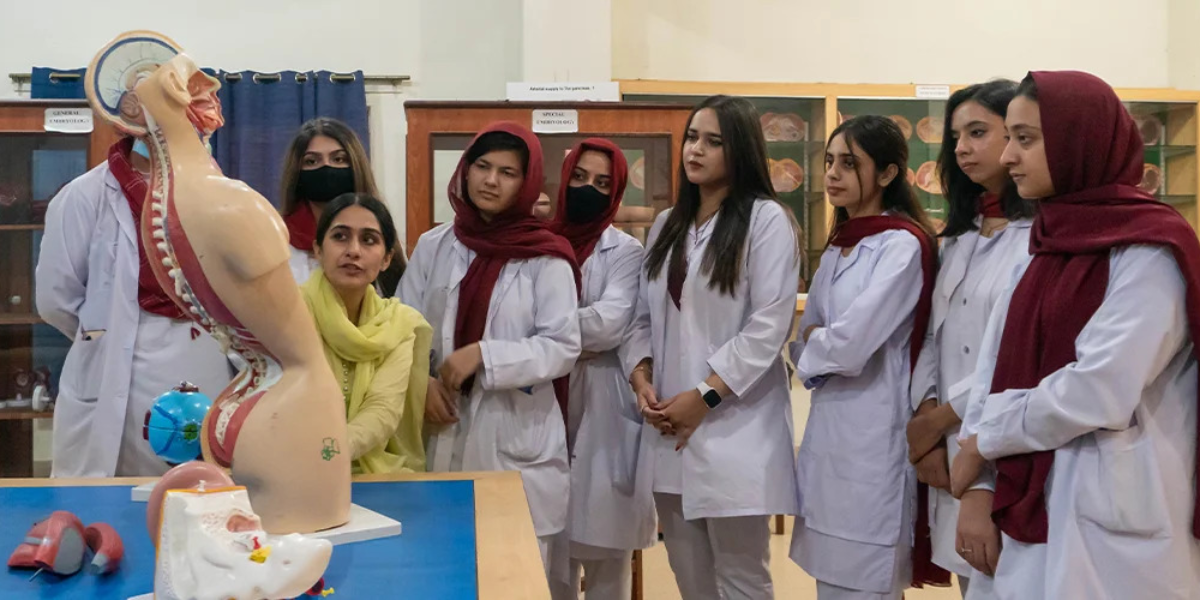
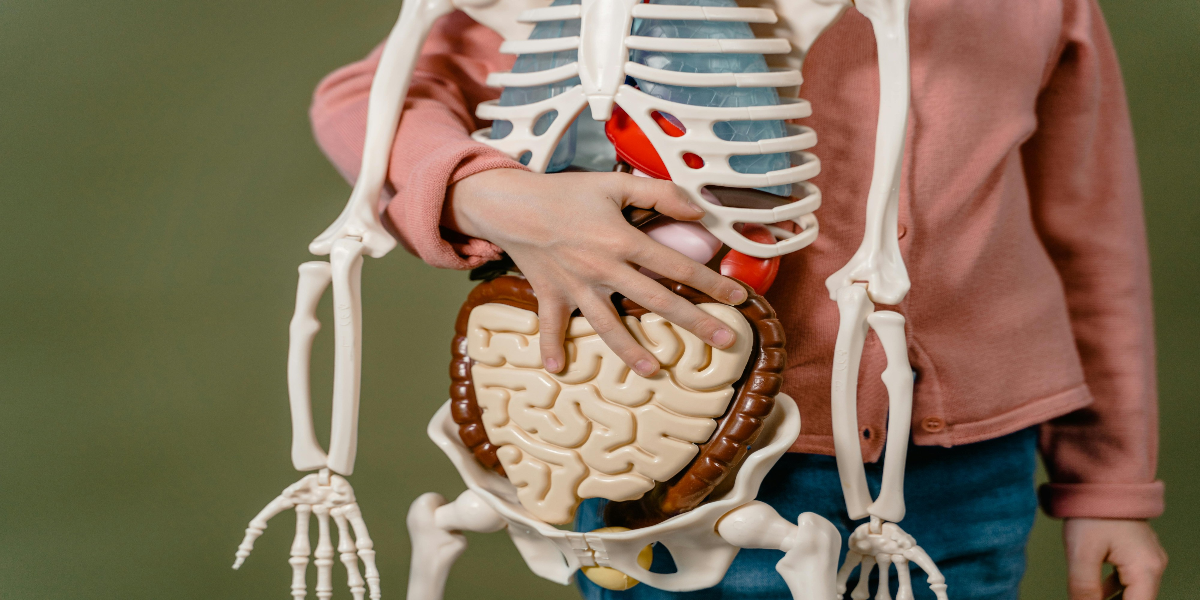
One of the key aspects of anatomy education is practical learning. Dissection sessions, anatomical models, and modern teaching tools allow students to visualize and understand complex structures of the human body.
At institutions like Abu Umara Medical & Dental College, students benefit from well-equipped laboratories, experienced faculty, and interactive teaching methods. These resources help bridge the gap between theoretical knowledge and real-world medical practice. Hands-on experience not only improves understanding but also builds confidence in future doctors.
Anatomy is not just about memorizing body parts; it is directly linked to clinical practice. A strong anatomical foundation helps doctors:
For example, surgeons rely heavily on anatomical knowledge to avoid damaging vital structures during operations. Similarly, physicians use anatomy to localize symptoms and identify underlying health issues.
Competent medical doctors are those who can combine knowledge with practical skills. Anatomy plays a vital role in shaping this competence by training students to think critically and apply their knowledge in clinical settings.
It also instills discipline and attention to detail, which are essential qualities for any healthcare professional. Understanding the human body in detail allows doctors to provide better patient care and improve treatment outcomes.
Students who wish to pursue a career in medicine should carefully review the Admission Guide before applying to a medical college. This guide provides important information about eligibility criteria, entry tests, and application procedures.
Choosing a reputable institution with a strong anatomy department is crucial for building a successful medical career. A well-structured program ensures that students receive quality education and practical training from the very beginning.
Before applying to any medical college, it is important to review the Fee Structure. This helps students and their families plan their finances and understand the overall cost of medical education.
Transparent and well-defined fee policies allow students to focus on their studies without unnecessary financial stress. It is always recommended to check the official details provided by the institution.
Anatomy is the backbone of medical education and plays a crucial role in shaping competent and skilled doctors. From understanding basic body structures to applying knowledge in clinical practice, anatomy influences every stage of a doctor’s journey.
A strong foundation in anatomy, combined with quality education and proper guidance, ensures that future medical professionals are well-prepared to meet the challenges of modern healthcare.
To explore more informative content about medical education, departments, and student resources, visit our blog section. It offers valuable insights, study tips, and updates that can help students throughout their academic journey.
Regularly reading educational blogs can enhance knowledge, keep students updated with the latest trends in medical science, and support their overall development