Date: Dec 12, 2025
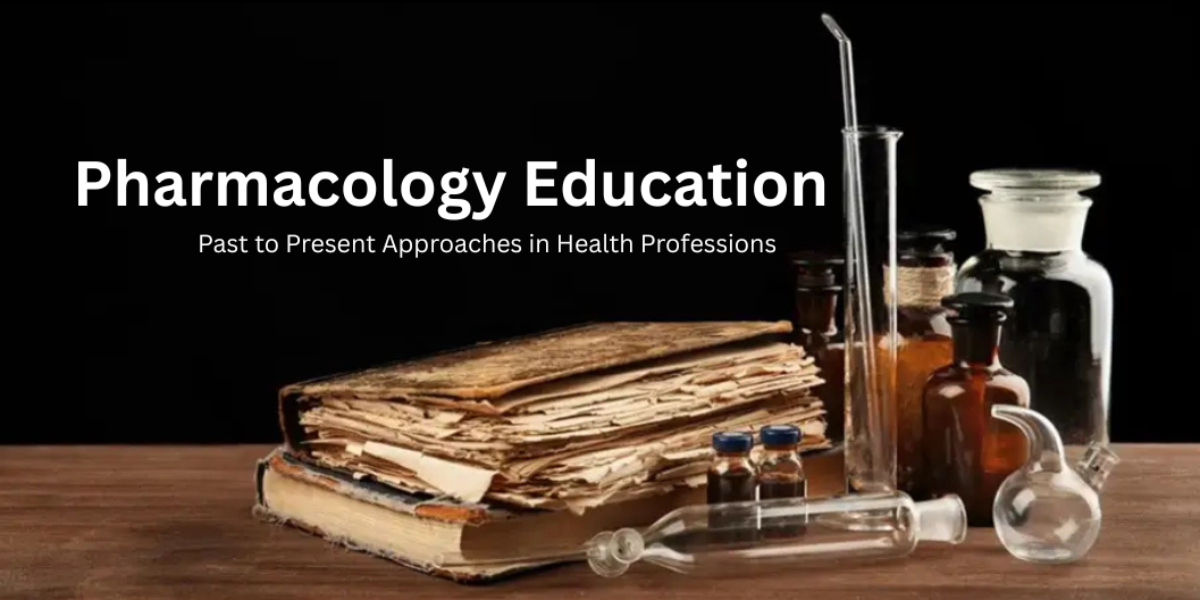
Pharmacology is a core discipline in health professions education, bridging the gap between basic sciences and clinical practice. Understanding how drugs interact with the human body, their therapeutic uses, and potential side effects is essential for safe and effective patient care. Over the years, pharmacology education has evolved, reflecting advancements in medicine, technology, and teaching methods. This article explores the historical development, modern approaches, and significance of pharmacology education in health professions programs.
Pharmacology education has a rich history dating back centuries. Early medical schools focused on herbal remedies, natural compounds, and basic principles of toxicity. With the discovery of chemical drugs and the development of modern medicine in the 19th and 20th centuries, pharmacology became a structured scientific discipline. Health professions programs gradually integrated pharmacology as a distinct subject, emphasizing drug mechanisms, dosage, and patient safety.
Historically, teaching relied heavily on lectures and textbooks, with limited practical exposure. Students primarily memorized drug names, classifications, and indications. While this approach provided foundational knowledge, it often lacked the application component crucial for clinical decision-making.
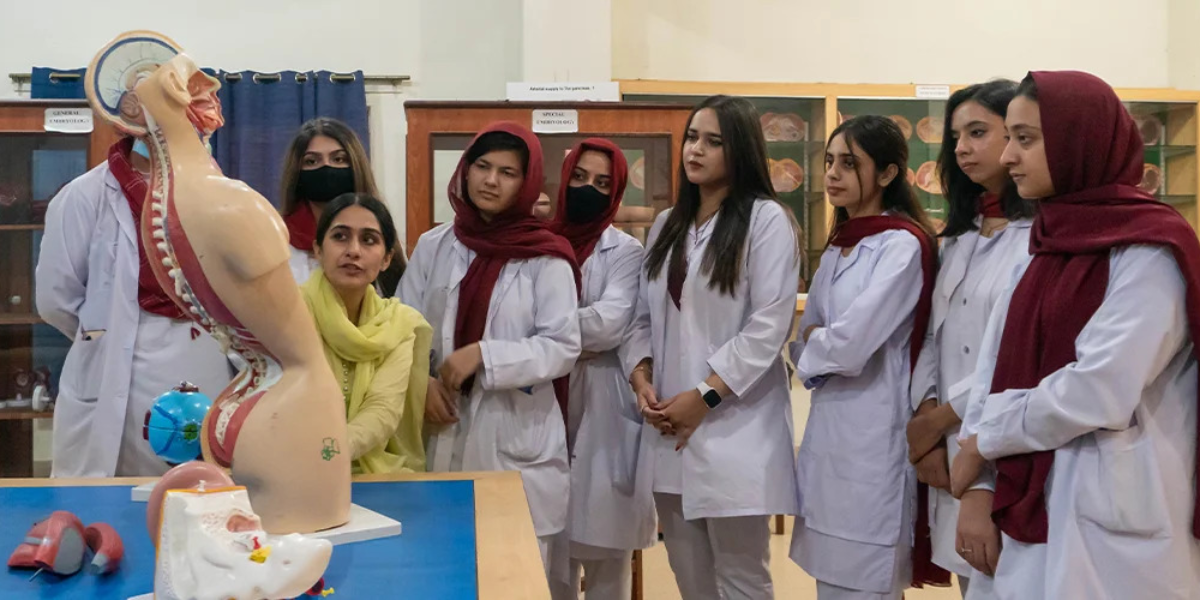
Today, pharmacology education has shifted toward student-centered and experiential learning. Modern curricula combine theoretical knowledge with practical applications to ensure students understand how pharmacological principles apply in real-world settings. Key approaches include:
Integrated Curriculum
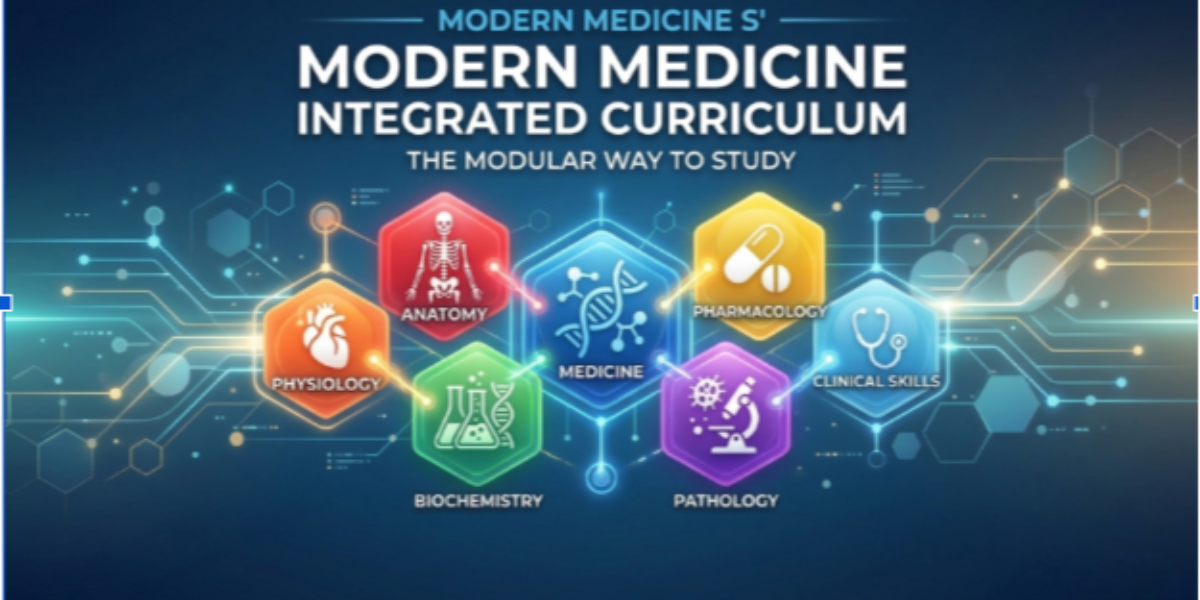
Pharmacology is now integrated with physiology, pathology, and clinical medicine. This allows students to understand the effects of drugs in the context of disease mechanisms and patient care.
Simulation-Based Learning
Virtual labs, clinical simulations, and case studies help students visualize drug interactions, side effects, and treatment planning in a safe environment.
Problem-Based Learning (PBL)
Students work through clinical scenarios to identify appropriate pharmacological interventions. PBL encourages critical thinking, decision-making, and application of knowledge.
Evidence-Based Teaching
Incorporating the latest research and clinical guidelines ensures students learn the most current practices in drug therapy and patient management.
Interprofessional Education
Collaboration with nursing, pharmacy, and allied health programs enhances teamwork skills and promotes a holistic understanding of pharmacology in patient care.
Pharmacology education is not just about learning drug names and mechanisms. It is fundamental to patient safety and effective healthcare delivery. Knowledge of pharmacology enables health professionals to:
By mastering pharmacology, students develop a strong foundation that supports future learning in clinical rotations, specialty practice, and research.
Recent innovations are shaping the future of pharmacology education:
These trends ensure that graduates are not only knowledgeable but also prepared to apply pharmacology principles in dynamic healthcare environments.
At Abu Umama Medical & Dental College (AUMDC), the Department of Pharmacology emphasizes both theoretical understanding and practical application. Students are exposed to modern teaching tools, clinical case studies, and laboratory exercises that simulate real-world drug administration and monitoring. AUMDC fosters an environment where students develop critical thinking, clinical reasoning, and ethical decision-making skills, ensuring they are prepared to provide safe and effective patient care.
The landscape of pharmacology education in health professions programs has evolved from memorization-based learning to interactive, applied, and evidence-based approaches. Understanding pharmacology is essential for healthcare professionals to ensure patient safety, optimize treatment outcomes, and engage in lifelong learning. By combining historical perspectives with modern teaching strategies, institutions like AUMDC prepare students to navigate the complexities of medication therapy confidently.
For more insights on medical education, departmental innovations, and professional guidance, visit the AUMDC blog section, where detailed content on healthcare programs and practical learning strategies is regularly shared.