Date: Dec 18, 2025
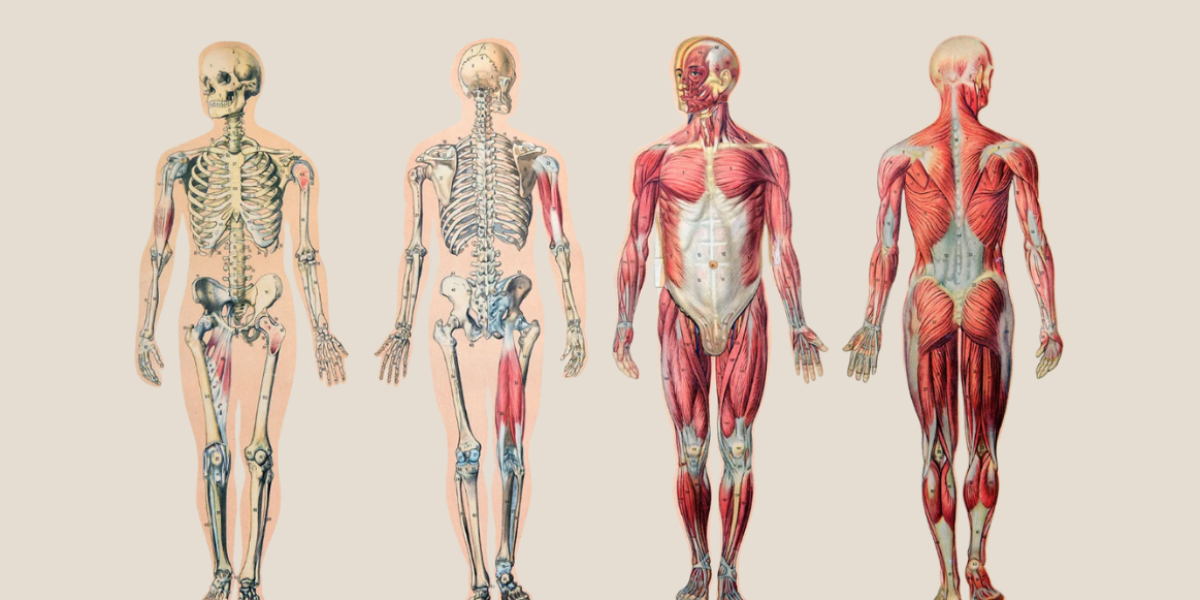
Human physiology is the study of how the human body functions, from cellular mechanisms to the coordination of complex organ systems. Understanding physiology is essential for anyone pursuing medicine, as it provides the foundation for diagnosing diseases, planning treatments, and promoting overall health. By exploring the functions of human physiology, students and healthcare professionals gain a clear perspective on how the body maintains balance and responds to challenges.
Physiology not only explains normal body functions but also sheds light on how disruptions can lead to disease. Knowledge of these processes equips medical students with the tools to become competent, informed, and socially responsible doctors.
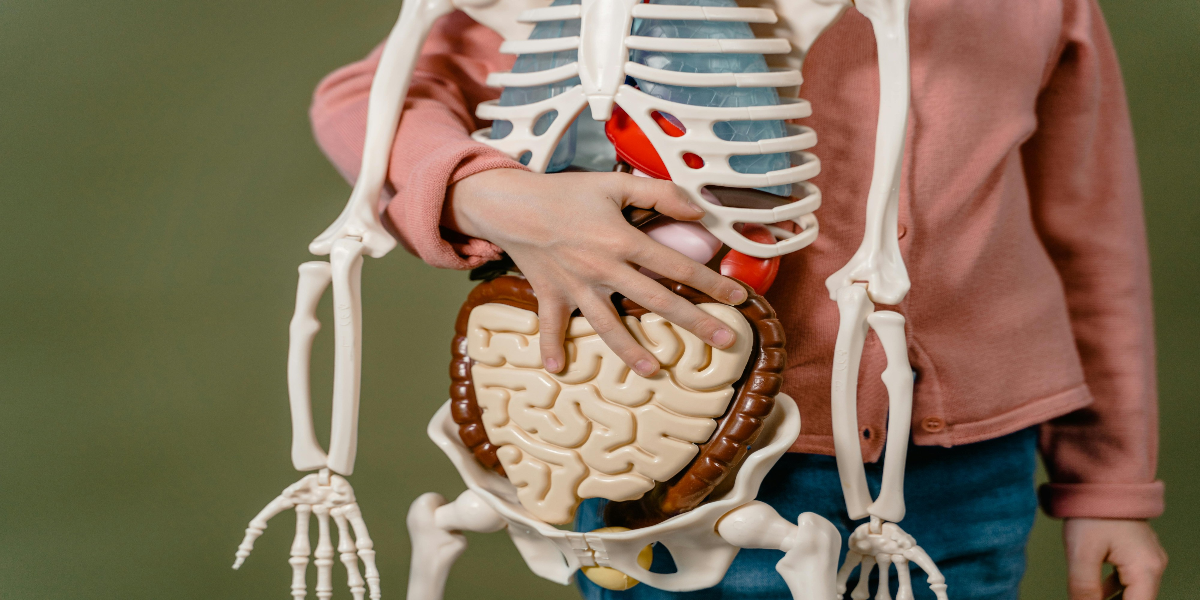
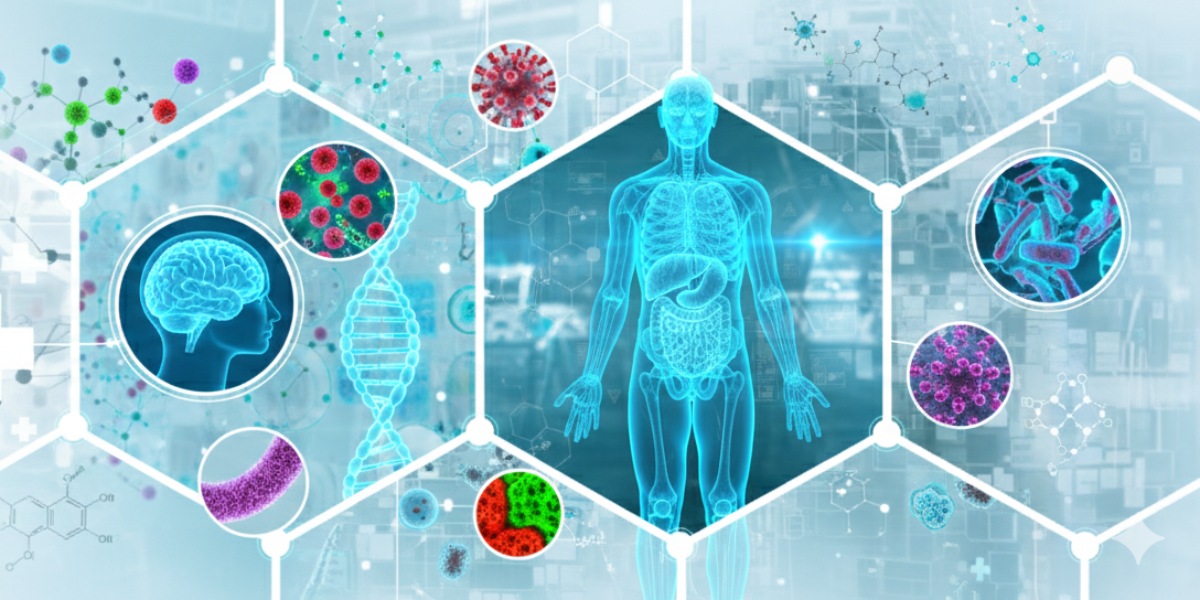
The human body is composed of several interconnected systems, each performing critical roles to maintain life and health. Exploring these systems offers insight into the mechanisms that sustain human existence.
The nervous system acts as the body’s communication network, coordinating functions across organs and tissues. Comprising the Central Nervous System (CNS) and Peripheral Nervous System (PNS), it controls voluntary and involuntary actions, processes sensory information, and regulates reflexes. Understanding neurophysiology is vital for addressing neurological disorders, cognitive function, and sensory perception.
At the core of human physiology lies the cardiovascular system, which circulates blood, delivers oxygen and nutrients, and removes waste. The heart, as a muscular pump, ensures proper circulation, while blood vessels maintain blood pressure and distribution. Knowledge of cardiovascular physiology is essential for managing heart diseases, hypertension, and other circulatory disorders.
The respiratory system facilitates gas exchange, providing oxygen to cells and removing carbon dioxide. Studying respiratory mechanics helps in understanding lung function, breathing patterns, and conditions like asthma or chronic respiratory diseases. This knowledge is also applied in preventive health, sports medicine, and critical care settings.
The endocrine system regulates the body through hormones, influencing metabolism, growth, reproduction, and stress responses. Hormonal imbalances can lead to diabetes, thyroid disorders, or reproductive issues. Understanding endocrine physiology allows doctors to anticipate, diagnose, and manage such conditions effectively.
The muscular and skeletal systems provide structure, enable movement, and support posture. Skeletal muscles allow voluntary movement, while smooth and cardiac muscles operate involuntarily. Knowledge of these systems informs rehabilitation, exercise science, and the management of musculoskeletal disorders.
The digestive system processes food, absorbs nutrients, and eliminates waste. From chewing to enzymatic breakdown and absorption in the intestines, digestive physiology ensures the body receives energy and nutrients. Understanding these processes helps manage metabolic disorders, gastrointestinal diseases, and nutritional counseling.
The renal system, including the kidneys, maintains fluid and electrolyte balance, filters blood, and removes waste products. Renal physiology is crucial for managing kidney diseases, hypertension, and maintaining overall homeostasis.
Reproductive physiology governs processes related to fertility, hormone regulation, and reproduction. Knowledge of this system is essential for reproductive health, family planning, and addressing hormonal or fertility-related disorders.
Understanding human physiology functions in the human body is essential for translating scientific knowledge into clinical practice. Medical professionals use physiological principles to:
Physiology bridges the gap between basic science and patient care, ensuring doctors can make informed, evidence-based decisions.
Human physiology knowledge is directly linked to preventive healthcare. Monitoring vital signs, understanding metabolic and hormonal processes, and recognizing early signs of disease allow for timely intervention. For example:
Integrating physiology with public health initiatives empowers communities to maintain health and reduce disease burden.
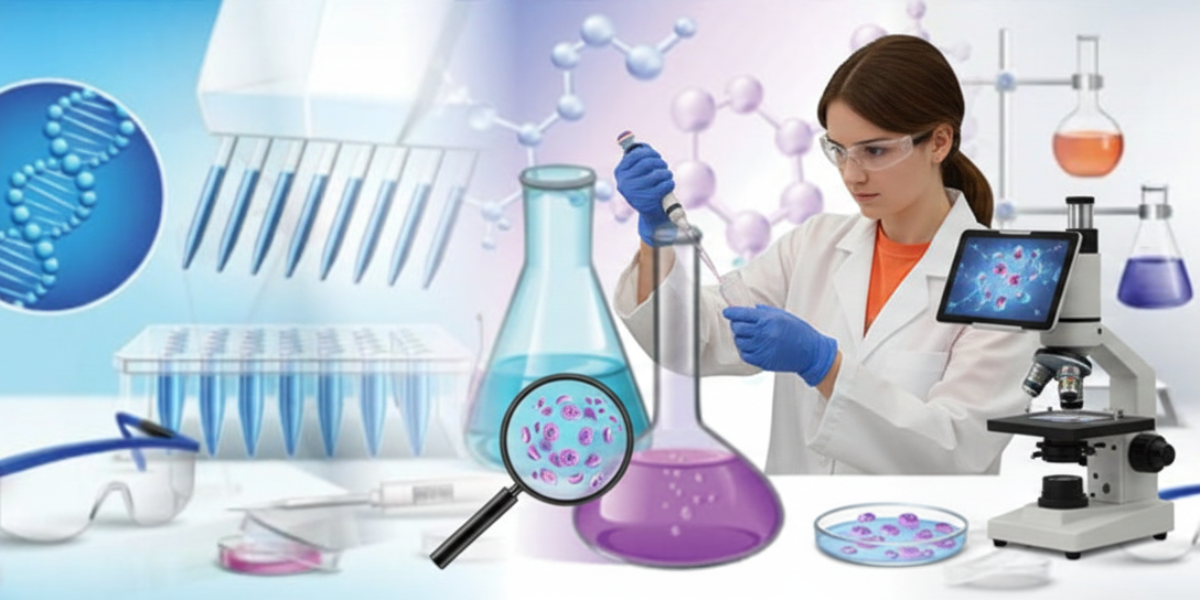
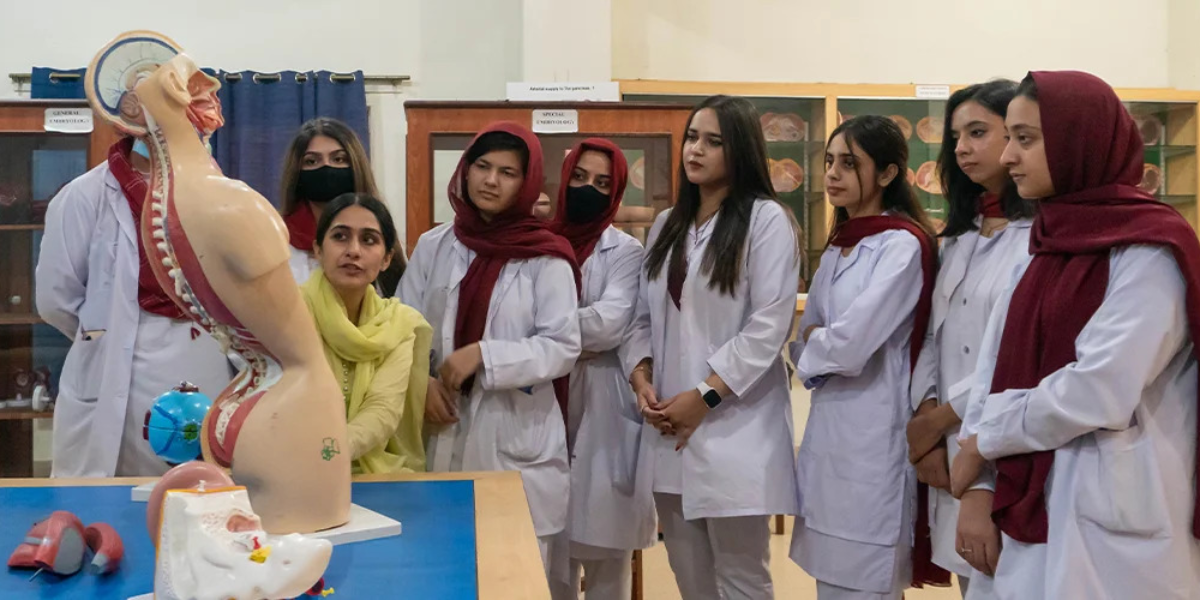
At Abu Umama Medical & Dental College (AUMDC), the Department of Physiology combines academic rigor with hands-on learning. Students engage in laboratory exercises, simulations, and clinical observations to understand how the human body functions in health and disease. By merging theory with practice, AUMDC prepares future doctors to apply physiological knowledge effectively in both clinical and research settings, ensuring holistic patient care.
A strong foundation in physiology equips students to analyze health patterns, develop treatment plans, and contribute to medical research. Graduates trained in physiology are better prepared to face clinical challenges, make informed decisions, and lead preventive healthcare initiatives. They also gain the skills to educate patients, enhance community health, and support evidence-based medical practice.
The study of human physiology is essential for understanding the intricate workings of the human body. It empowers medical students and professionals to translate knowledge into practical healthcare solutions, fostering improved patient care and preventive strategies. From cellular processes to systemic coordination, physiology provides a roadmap for maintaining health and addressing disease effectively.
For more academic insights, practical guidance, and updates on medical education, readers can explore the AUMDC blog section, where detailed content on healthcare disciplines and departmental perspectives is regularly shared.